
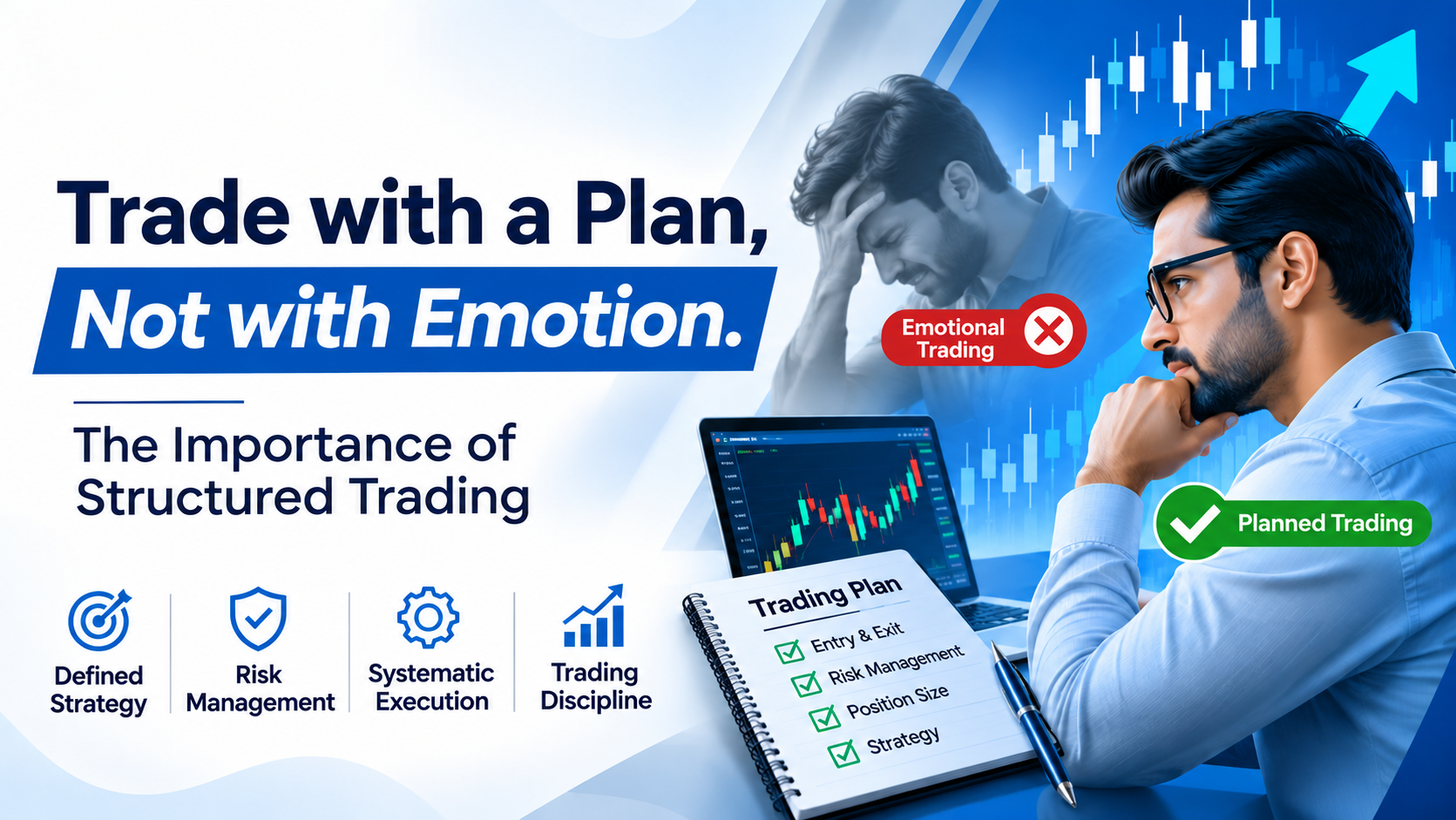
Trading based on emotions, whether driven by excitement during a market rally or fear during a decline, can often lead to impulsive decisions. Without a defined approach, traders may find themselves reacting to short-term market movements rather than following a well-considered strategy. Trading with a plan helps bring clarity to the decision-making process by establishing defined objectives, entry and exit conditions, and risk parameters before executing a trade.
Why Does Having a Trading Plan Matter?
A well-structured trading approach also encourages consistency. It helps traders review their decisions, identify areas that may require improvement and understand how their strategies perform under different market conditions. Although a trading plan cannot eliminate uncertainty or prevent losses, it can help reduce unnecessary impulsive decision-making.
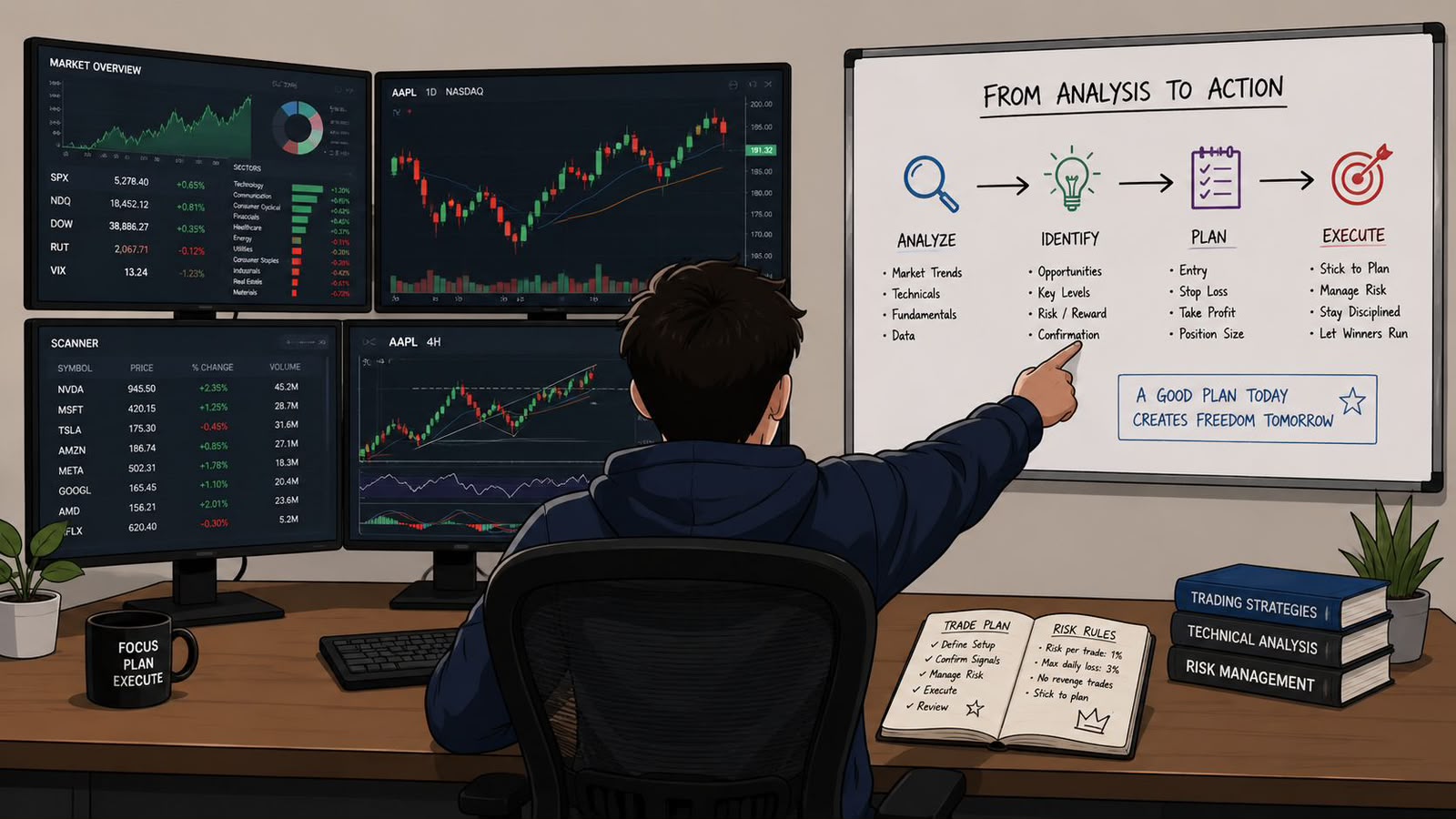
The Role of Technology in Modern Trading
From strategy development and market analysis to order execution and portfolio monitoring, technology can support traders at multiple stages. Integrated platforms also provide a more organised environment by bringing relevant functions together rather than requiring users to manage multiple disconnected processes.
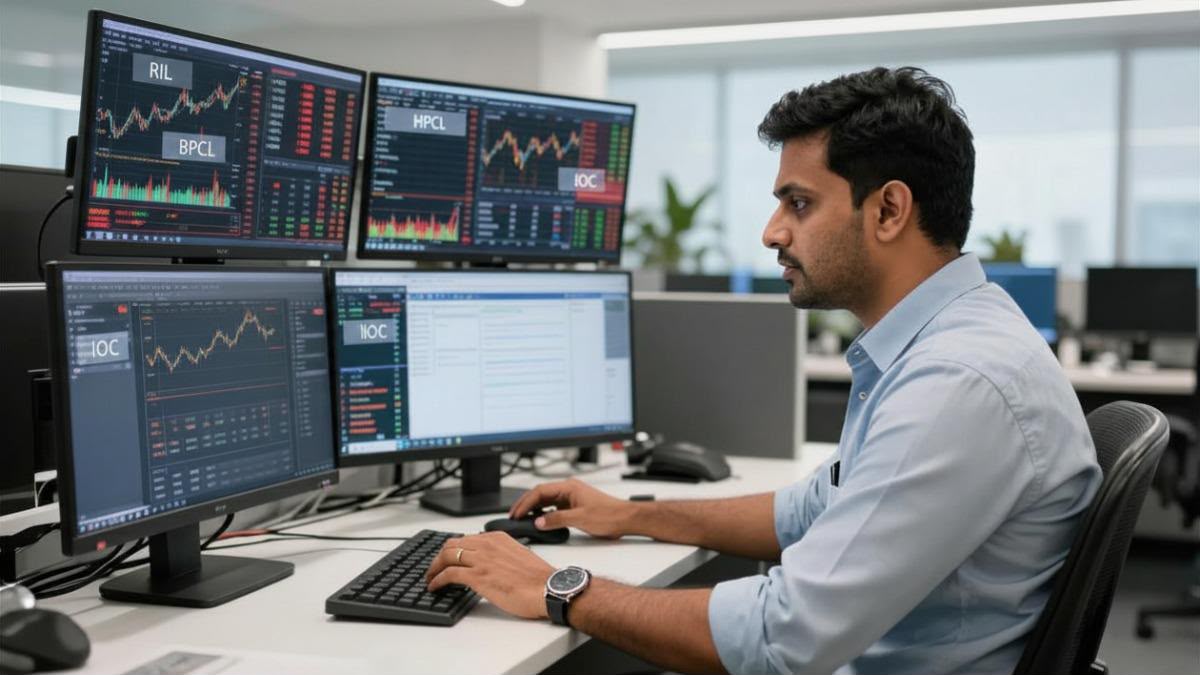
Understanding Risk Management in Trading
A structured risk management approach involves defining acceptable risk levels, determining suitable position sizes and establishing entry and exit conditions. Traders may also use stop-loss parameters and other risk controls as part of their trading process. These measures help create a framework for managing exposure, although they cannot guarantee that losses will always remain within expected limits.
Understanding risk is not simply about protecting capital; it is also about making trading decisions with a realistic assessment of market conditions and individual risk tolerance.
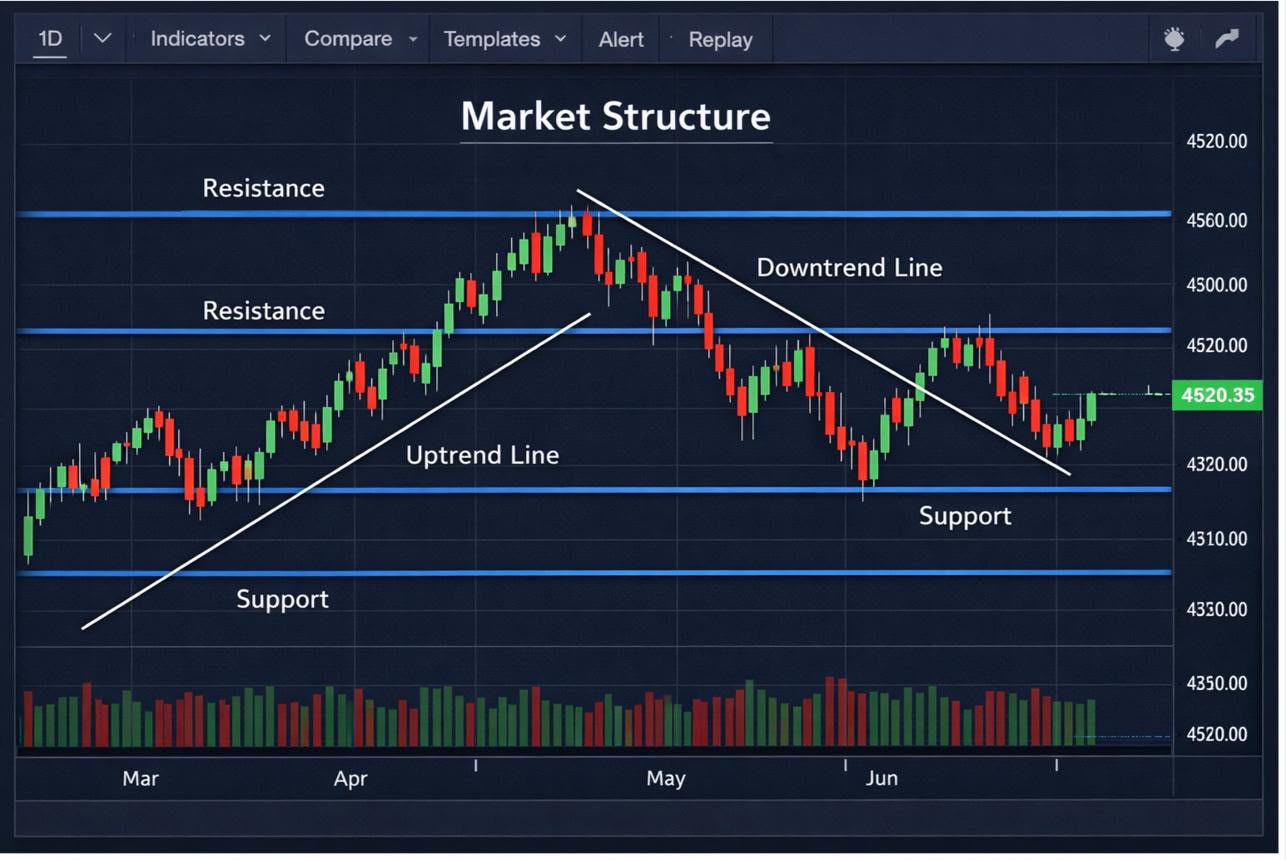
Plan the risk before the trade. Define the conditions that would invalidate an idea, the exposure you are prepared to take and how the position will be managed.
Systematic Execution: Following a Defined Approach
Automation can play a role in this process by helping execute configured instructions when predefined conditions are met. Depending on the platform and its features, this may include strategy-based order placement, defined order types and rule-based order routing.
However, automated trading does not remove market risk. Strategies need to be appropriately designed, tested and monitored, as execution errors, changing market conditions and technical limitations can affect outcomes.
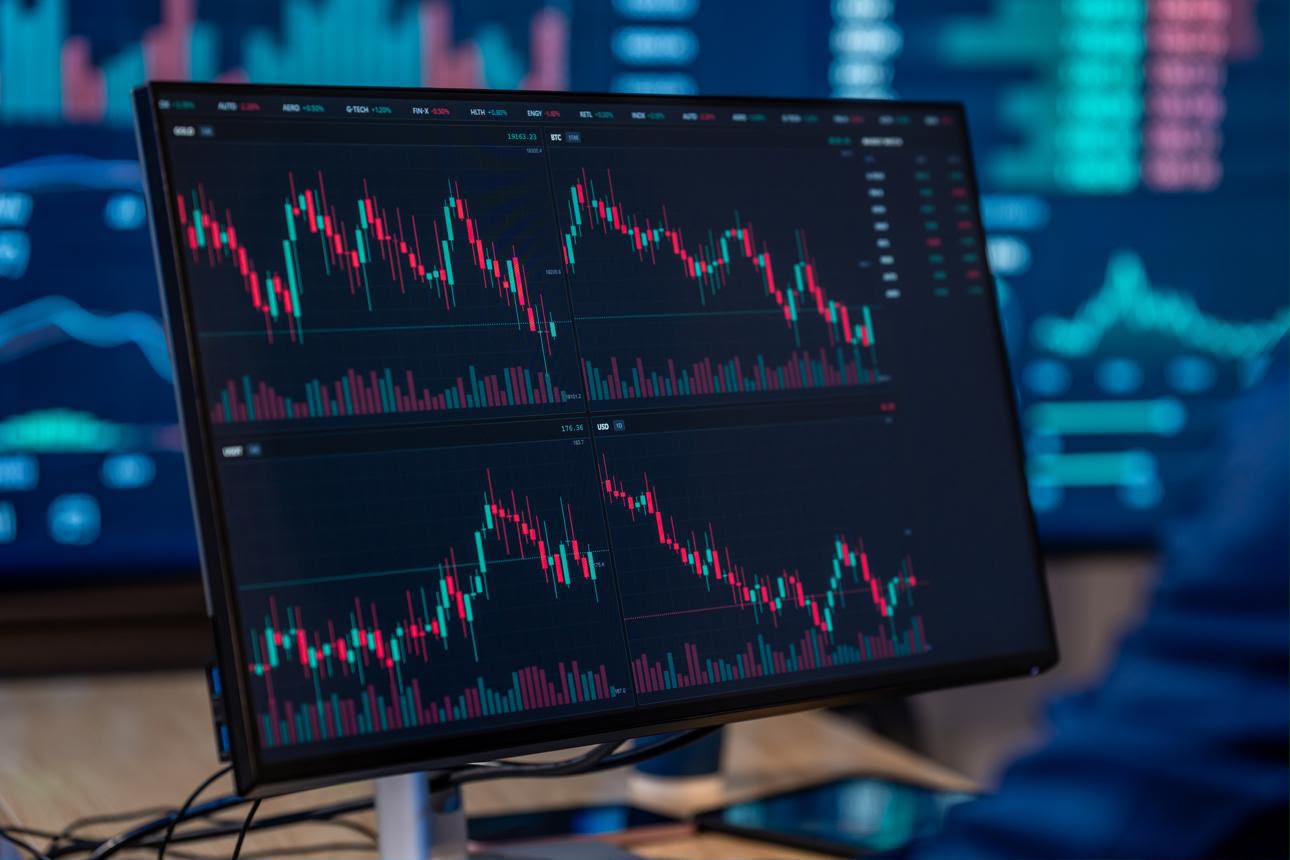
How TechTrade Brings Technology, Research and Automation Together
Through its technology-driven platform, TechTrade focuses on three key areas: integrated technology, smart risk management and systematic execution. These elements address different aspects of trading, from organising trading activities and working with defined parameters to following rule-based execution processes.
The emphasis is on providing tools and an organised framework that support traders in approaching market participation through strategy and predefined processes rather than relying solely on market speculation or emotional reactions.

Building a More Disciplined Trading Approach
A structured approach does not mean predicting every market movement or expecting every trade to be profitable. It means having a clear understanding of why a trade is being considered, what conditions guide its execution and what risks are involved.
At TechTrade, the philosophy is straightforward: bring technology and structured processes into trading while keeping informed decision-making at the centre.
Explore more market insights at www.techtrade.in.
Disclaimer: Disclaimer: The securities and strategies discussed are for illustration and educational purposes only and are not recommendatory in nature. Investments in the securities market are subject to market risks. Read all related documents carefully before investing. TechTrade provides market insights and strategy-based tools which do not guarantee returns or performance. This content should not be considered as investment advice. Users are solely responsible for their investment decisions.For detailed disclosures and disclaimers, visit: www.techtrade.in | Compliance Officer: Madan Lal Kumawat – Email ID: compliance@techtrade.in, Mobile: +91-7300006530
Registration details (footer):
Sanchit Financial & Management Services Limited
SEBI No. – INZ000295835 | NSDL DP ID – IN303253
Corporate Member: NSE – 08039 | BSE – 6929 | MCX – 57415