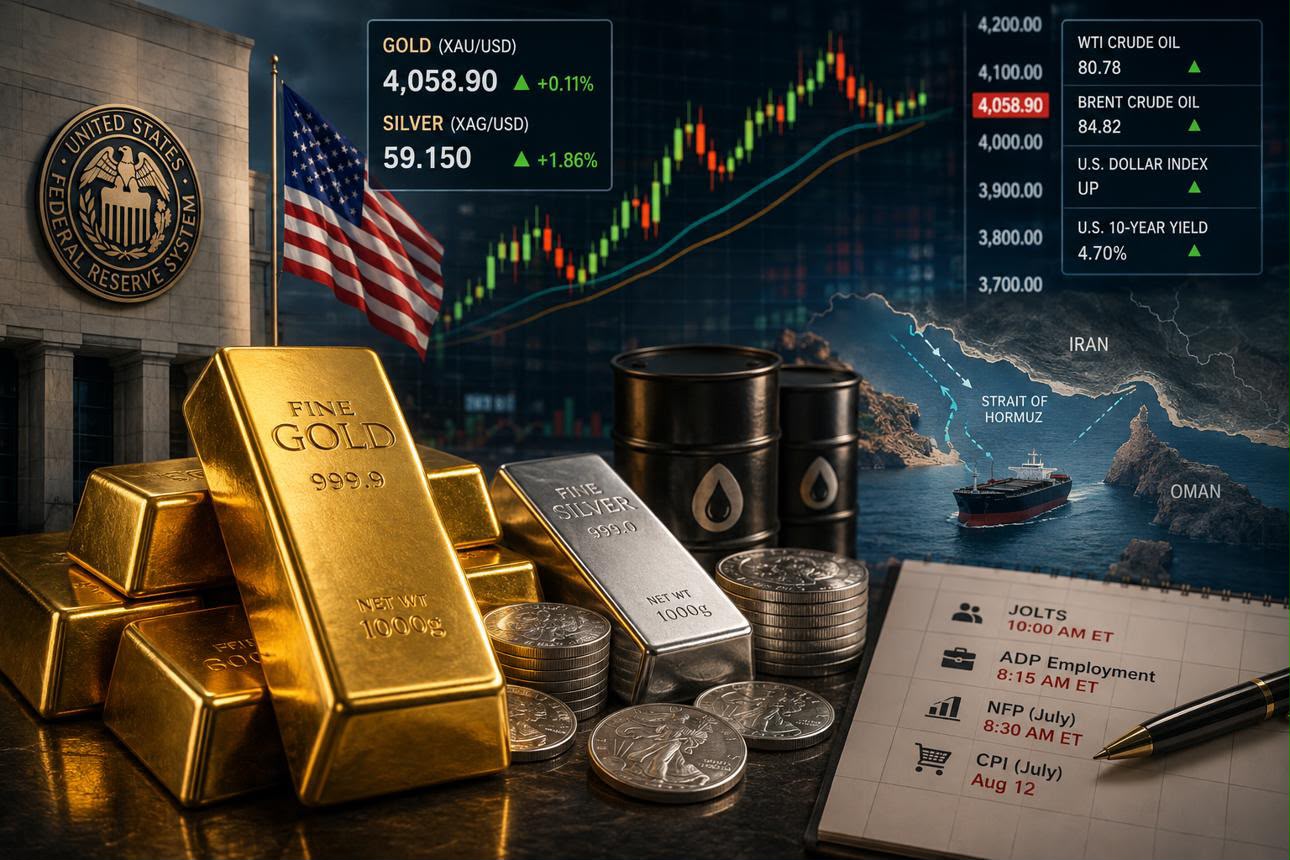
Gold has always held a special place in the global financial market. From being considered a safe-haven asset to serving as a widely followed investment option, gold continues to attract the attention of investors, central banks and financial institutions worldwide.
However, gold prices are influenced by much more than demand and supply. Global economic conditions, interest rates, currency movements, geopolitical developments and investor sentiment all play an important role in determining the direction of the gold market.
As we move through 2026, understanding these factors has become increasingly important for anyone interested in gold investment, commodity trading or financial market analysis.
Why Do Gold Prices Rise and Fall?
1. US Dollar and Gold Prices
The relationship between the US dollar and gold is one of the most closely watched indicators in the global commodities market. Since international gold prices are generally quoted in US dollars, a stronger dollar can make gold more expensive for buyers using other currencies, potentially weighing on demand. Conversely, a weaker dollar can make gold more accessible to international buyers.
The relationship is influential, but it is not automatic. Central-bank purchases, investment flows, real yields and geopolitical risk can sometimes outweigh the currency effect. Investors therefore often examine the dollar alongside other indicators instead of treating it as a standalone signal.
For currency and macroeconomic context, investors can refer to the US Federal Reserve and the Federal Reserve Economic Data (FRED).
2. Interest Rates and Federal Reserve Decisions
Interest rates play a significant role in gold investment trends. Gold does not generate regular interest or dividends. Therefore, when interest rates rise and interest-bearing investments offer more attractive returns, the opportunity cost of holding gold can increase.
On the other hand, expectations of interest-rate cuts by the US Federal Reserve can support gold by reducing the relative appeal of yield-generating assets. The effect depends not only on the announced policy rate but also on inflation expectations and real interest rates.
This is why investors closely monitor Federal Reserve announcements, monetary-policy decisions, inflation reports and official economic projections to understand potential movements in gold prices. The Federal Reserve’s monetary policy resources provide primary information on policy decisions.
3. Inflation and Economic Uncertainty
Gold is often viewed as a potential hedge against inflation and currency depreciation. When inflation expectations increase or confidence in traditional financial assets weakens, some investors may turn towards gold as a store of value.
However, the relationship is not always straightforward. If inflation leads to higher interest rates or stronger real yields, gold may face pressure. The broader economic environment, currency movements and investor expectations all matter.
For US inflation data, investors can consult the Bureau of Labor Statistics Consumer Price Index releases.
4. Geopolitical Tensions and Global Events
International conflicts, political uncertainty and disruptions in global trade can influence financial markets. During periods of uncertainty, investors often increase their interest in safe-haven assets such as gold. These developments can also affect oil prices, inflation expectations, currency markets and broader investor sentiment.
Not every geopolitical event results in a sustained rise in gold. The market response depends on the scale of the event, its expected duration, the availability of alternative safe-haven assets and how investors were positioned beforehand.
Gold’s Record Rally and Market Corrections
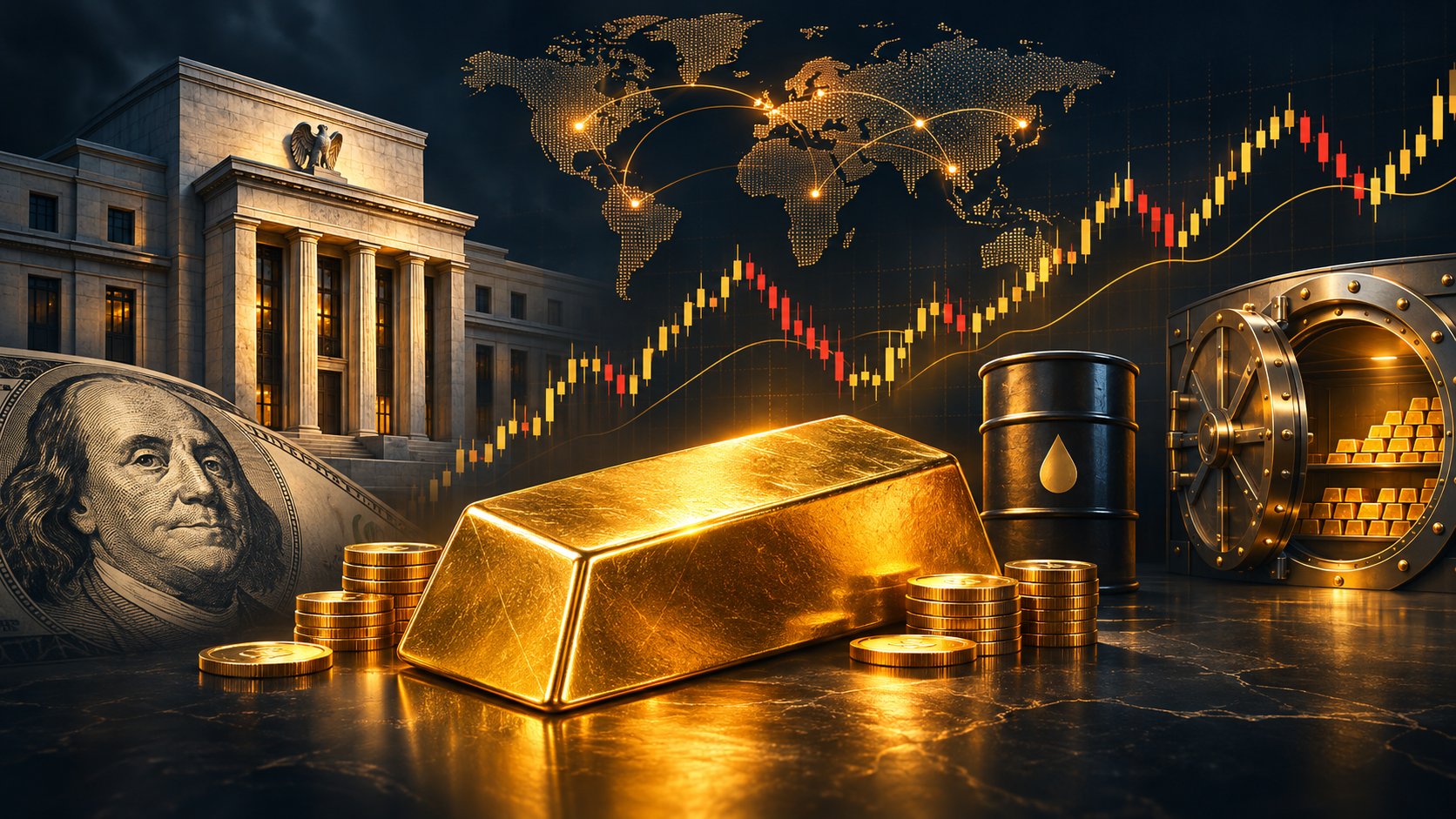
However, a rising market does not mean prices will continue moving in the same direction indefinitely. Sharp corrections are a natural part of financial markets. Changes in investor positioning, profit booking, a stronger US dollar or shifting expectations around interest rates can all contribute to a decline in gold prices.
For investors, understanding both upward trends and market corrections is essential. Rather than focusing only on record highs, it is important to study the economic conditions and market indicators behind every major movement.
How Oil Prices Can Influence the Gold Market
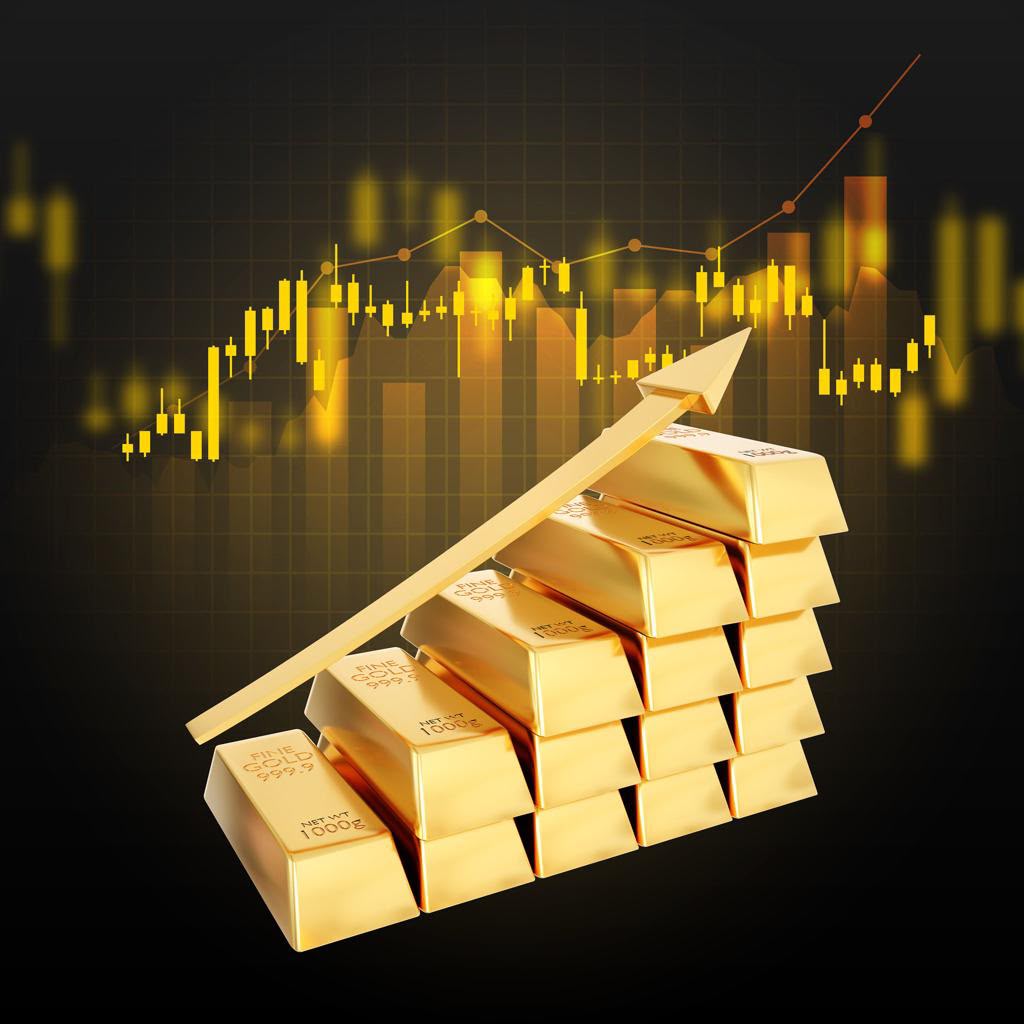
Gold and crude oil may belong to different commodity categories, but their market movements can be connected.
When geopolitical tensions disrupt energy supplies, crude oil prices may rise. Higher energy costs can increase inflationary pressures and influence expectations around interest rates. These developments can indirectly affect gold prices and investor demand.
The connection is not always direct: oil and gold respond to different supply-and-demand conditions, and their prices can move in opposite directions. This relationship highlights how global financial markets are interconnected. A development in the energy sector can create ripple effects across commodities, currencies and investment markets.
For energy-market data and analysis, visit the US Energy Information Administration.
What Does the Federal Reserve’s Next Move Mean for Gold?
The US Federal Reserve remains one of the most influential institutions for global financial markets. Its decisions on interest rates, monetary policy and the economic outlook can have a considerable impact on gold prices.
Investors generally watch three important indicators:
- Interest-rate decisions: Changes in borrowing costs can influence the attractiveness of gold compared with interest-bearing assets.
- Inflation outlook: Inflation data can shape expectations around future monetary policy and real interest rates.
- Market sentiment: Statements from Federal Reserve officials can influence investor confidence and short-term market movements.
Market perspective
Who Is Buying Gold and Why?
Central Banks
Gold ETFs
Gold exchange-traded funds (ETFs) allow investors to gain exposure to gold prices without purchasing or storing physical gold themselves. Changes in ETF inflows and outflows can provide insight into investor sentiment and investment demand. For industry data and research, explore the World Gold Council’s gold market data.
Retail and Institutional Investors
What Should Investors Watch in the Gold Market in 2026?
Key gold-market indicators to monitor
- Federal Reserve policy: Future interest-rate decisions and monetary-policy guidance.
- US dollar movements: Changes in dollar strength and global currency markets.
- Global economic growth: Economic slowdown or uncertainty that may influence safe-haven demand.
- Geopolitical developments: International tensions and global trade disruptions.
- Central-bank gold purchases: Changes in official-sector demand and reserve diversification.
- Gold ETF investments: Investor participation and changing fund flows.
- Real yields and inflation data: Changes in the purchasing-power outlook and opportunity cost of holding gold.
Understanding the Market Before Making Investment Decisions
For investors and traders, the key is not simply to follow whether gold prices are rising or falling, but to understand why these movements are happening. A structured approach to market analysis includes reviewing economic data, understanding risk, considering multiple scenarios and avoiding decisions based on a single headline or indicator.
At TechTrade, we believe informed financial decisions begin with the right market insights, research and understanding of economic developments. By combining technology, research, automation and risk management, TechTrade aims to help traders move beyond speculation towards a more structured approach to financial markets.
Explore market insights, trading research and technology-driven trading solutions at www.techtrade.in
Disclaimer: Disclaimer: The securities and strategies discussed are for illustration and educational purposes only and are not recommendatory in nature. Investments in the securities market are subject to market risks. Read all related documents carefully before investing. TechTrade provides market insights and strategy-based tools which do not guarantee returns or performance. This content should not be considered as investment advice. Users are solely responsible for their investment decisions.For detailed disclosures and disclaimers, visit: www.techtrade.in | Compliance Officer: Madan Lal Kumawat – Email ID: compliance@techtrade.in, Mobile: +91-7300006530
Registration details (footer):
Sanchit Financial & Management Services Limited
SEBI No. – INZ000295835 | NSDL DP ID – IN303253
Corporate Member: NSE – 08039 | BSE – 6929 | MCX – 57415