

Why Global Energy Markets Matter to India
But how exactly do global energy markets influence India’s economy? And why should investors, traders and businesses pay attention to these movements?
Let’s explore the connection between global energy markets and India’s financial landscape.
1. Rising Crude Oil Prices Increase India’s Import Costs

India imports a substantial share of the crude oil it consumes. When international crude oil prices rise, the country has to spend more foreign currency to purchase the same quantity of oil.
- An increase in the overall import bill.
- Greater pressure on India’s trade balance.
- Higher demand for US dollars.
- Potential pressure on the balance of payments and the Indian rupee.
Why it matters: Investors and traders closely monitor international crude oil prices because they can offer important insights into India’s economic outlook.
2. Global Energy Prices and the Indian Rupee

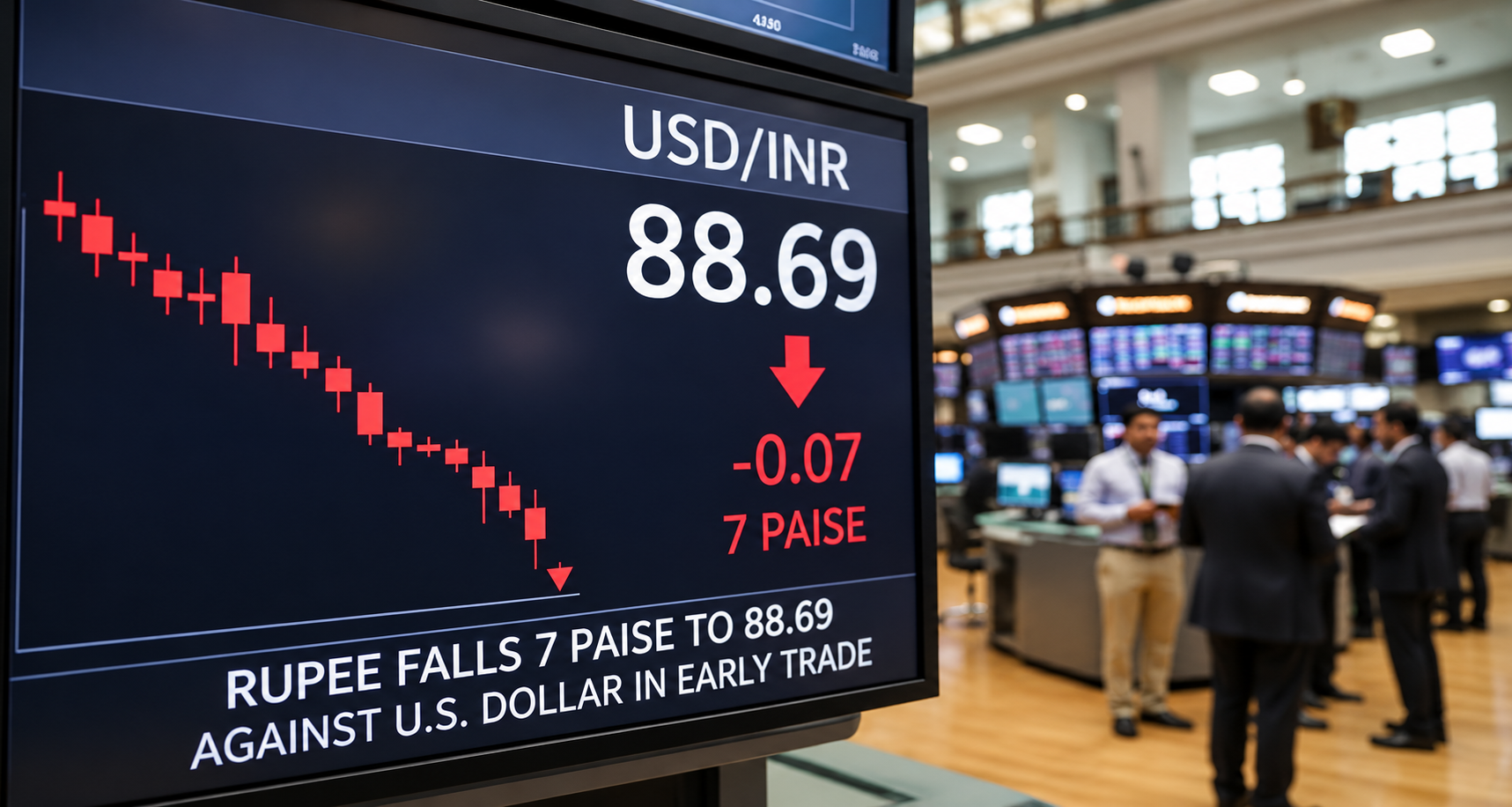
When oil prices increase, India’s requirement for foreign currency, particularly US dollars, can also rise. This may create additional pressure on the Indian rupee.
A weaker rupee can make imports more expensive, not just for crude oil but also for other internationally traded commodities and goods.
- Import and export costs.
- Foreign investment flows.
- Corporate profitability.
- India’s current account balance.
- Overall market sentiment.
Why it matters: Understanding the relationship between crude oil prices and currency movements can help market participants evaluate broader financial market trends.
3. The Impact of Energy Prices on Inflation

When global energy prices rise, the cost of producing and transporting goods can increase. This can eventually affect the prices consumers pay for everyday products and services.
- Higher diesel prices can increase transportation costs.
- Expensive industrial fuel can raise manufacturing expenses.
- Higher energy costs can influence food supply chains.
- Increased operating costs can put pressure on business margins.
Why it matters: Energy prices are an important economic indicator that investors should consider when evaluating inflation trends and interest rate expectations.
4. Rising Energy Costs and Their Impact on Businesses

- Aviation: Higher aviation turbine fuel prices can increase airline operating expenses.
- Transportation and logistics: Rising diesel prices can increase freight and delivery costs.
- Manufacturing: Energy-intensive industries may experience higher production costs.
- Paints and chemicals: Several products depend on petroleum-based raw materials, making input costs sensitive to crude oil movements.
- Oil marketing companies: Changes in crude oil prices, refining margins and domestic pricing policies can influence their profitability.
5. How Global Energy Markets Influence the Indian Stock Market
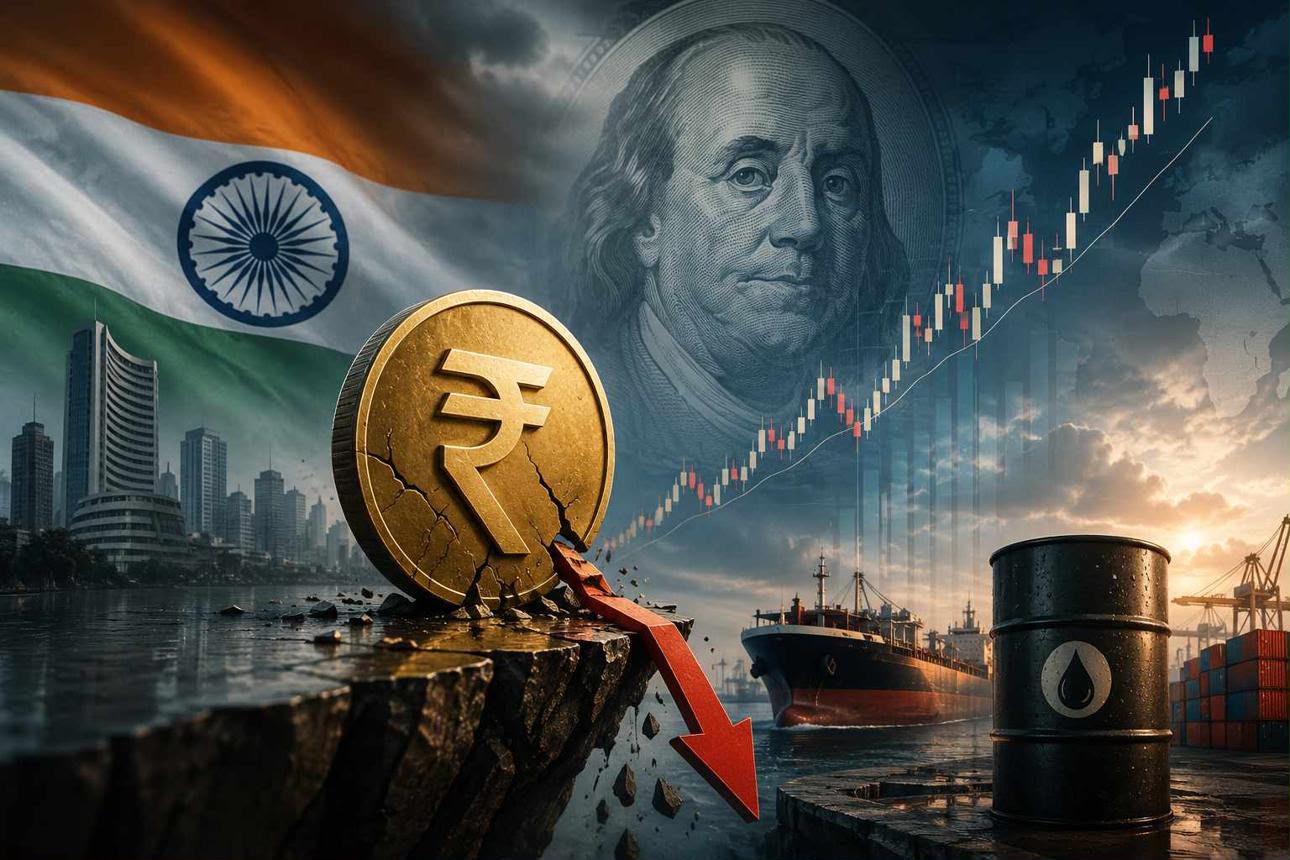
A sharp rise in international oil prices can create uncertainty around inflation, corporate profitability and economic growth. This may influence investor sentiment and market volatility.
- Oil exploration companies: May benefit from higher realisations, depending on their cost structure and regulations.
- Oil marketing companies: May face margin pressure depending on crude prices, refining margins and retail pricing.
- Aviation companies: May experience higher fuel-related operating expenses.
- Automobile companies: Could face changes in manufacturing, transportation and consumer costs.
- Paint and chemical companies: May experience fluctuations in raw material expenses.
For investors, understanding these interconnected factors can help build a more informed market perspective.
6. Geopolitical Events and Global Energy Supply

Conflicts, international sanctions, trade restrictions and supply disruptions can influence crude oil production, transportation and availability. Major oil-producing regions and important shipping routes play a significant role in maintaining global energy supply.
When disruptions occur, markets may react through sudden price movements and increased volatility.
For India, such developments are important because changes in international energy supply can influence import costs, currency movements and economic expectations.
Monitoring geopolitical developments alongside commodity prices can therefore provide valuable context for understanding global financial markets.
7. What Should Investors and Traders Monitor?
- Brent crude prices: An important international benchmark for crude oil pricing.
- WTI crude prices: Another major global benchmark used to understand energy market movements.
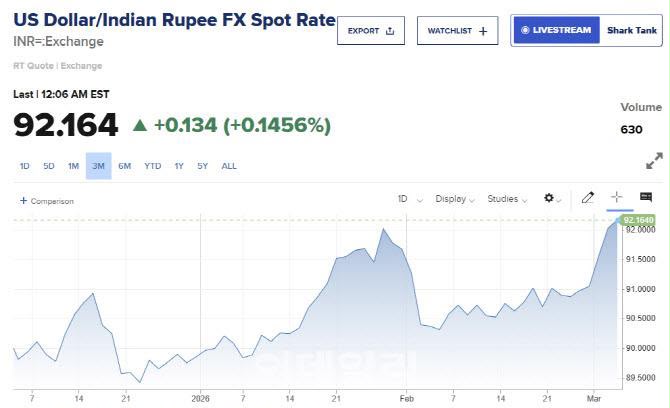
- USD/INR exchange rate: Helps track changes in the value of the Indian rupee against the US dollar.
- Inflation data: Provides insights into changes in the overall price level.
- RBI monetary policy: Helps understand India’s interest rate environment and inflation outlook.
- Global supply and demand: Provides an indication of potential changes in energy prices.
- Geopolitical developments: Helps identify events that could disrupt global energy supply.
Conclusion: Look Beyond the Barrel
For investors and traders, understanding these connections can provide a clearer picture of the economic forces driving market movements.
At TechTrade, we believe informed decisions begin with understanding the bigger picture. By combining technology, research, automation and risk management, TechTrade helps traders move beyond speculation towards a more structured approach to market participation.
Because successful trading begins with understanding what moves the market.
Explore more market insights at www.techtrade.in.
Disclaimer: Disclaimer: The securities and strategies discussed are for illustration and educational purposes only and are not recommendatory in nature. Investments in the securities market are subject to market risks. Read all related documents carefully before investing. TechTrade provides market insights and strategy-based tools which do not guarantee returns or performance. This content should not be considered as investment advice. Users are solely responsible for their investment decisions.For detailed disclosures and disclaimers, visit: www.techtrade.in | Compliance Officer: Madan Lal Kumawat – Email ID: compliance@techtrade.in, Mobile: +91-7300006530
Registration details (footer):
Sanchit Financial & Management Services Limited
SEBI No. – INZ000295835 | NSDL DP ID – IN303253
Corporate Member: NSE – 08039 | BSE – 6929 | MCX – 57415